
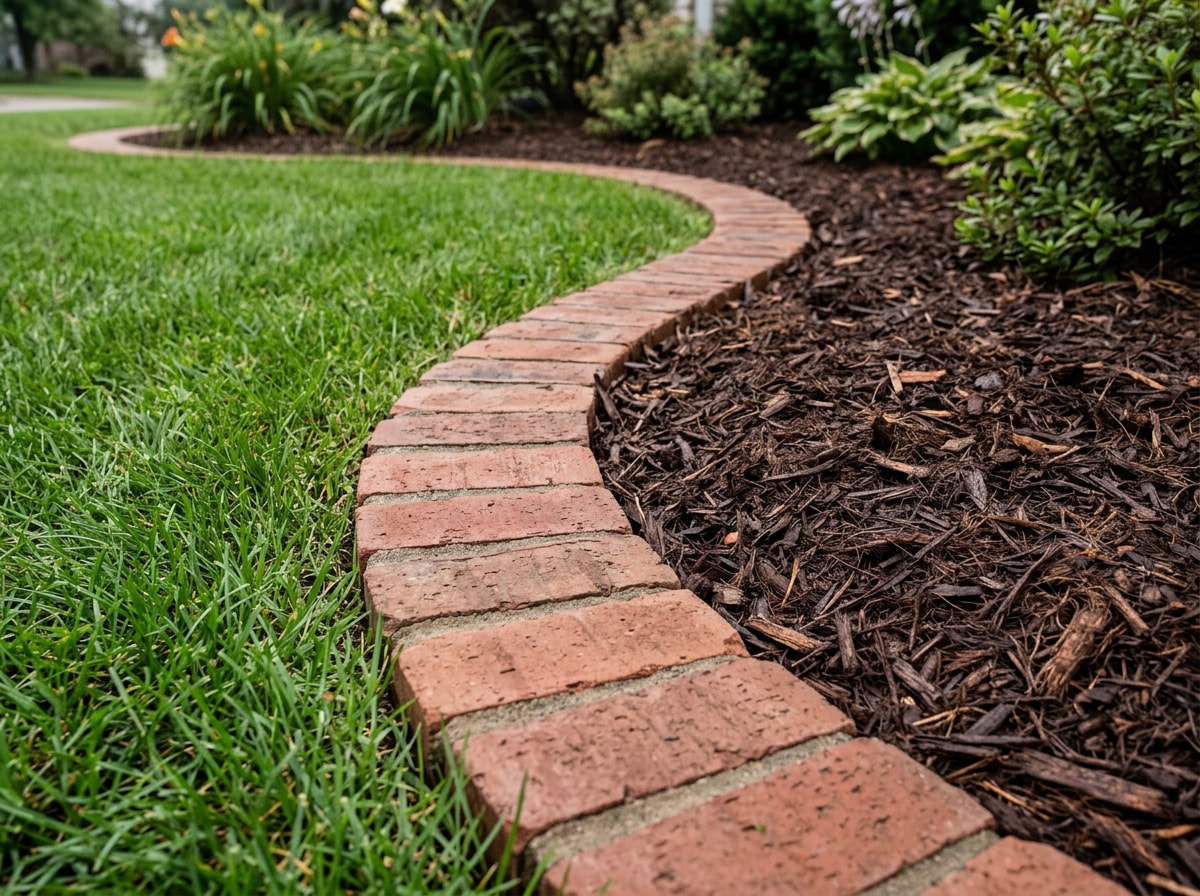
Brick edging for landscaping Kurten, TX yards is one of the simplest upgrades that turns a blurry lawn-to-bed line into a crisp, lasting border. This guide walks through planning, trenching, cutting, and setting the bricks, plus the clay-soil adjustments that generic national how-to articles tend to skip. Follow it in order and you'll end up with a border that holds its shape through Brazos County's wet winters and dry summers.
When & Why to Use Brick Edging for Landscaping in Kurten, TX
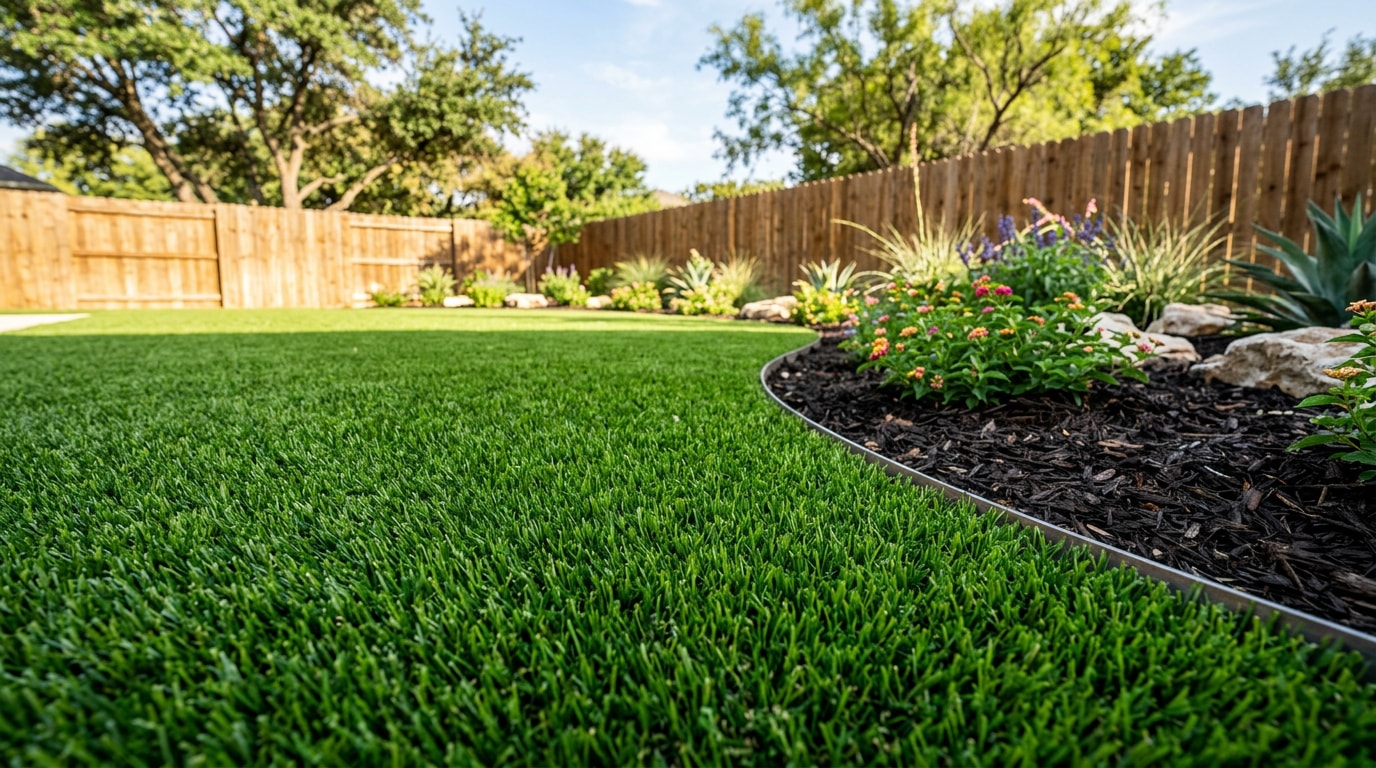
Brick edging creates a defined, low-maintenance border between lawn and garden beds while keeping a natural, timeless look. It works best on level ground or gently curved beds; steep slopes usually need sturdier options like concrete or metal edging instead.
Beyond looks, brick edging gives you a stable mowing strip, so you're not trimming by hand along every bed line. It also holds mulch and soil in place and keeps grass from creeping into your planting areas. If you've been collecting landscape edging ideas and keep coming back to brick, it's usually because the material is durable, affordable, and easy to repair one unit at a time.
Knowing when to use brick edging comes down to your site: flat or rolling ground, moderate curves, and beds that won't see heavy foot traffic are all good candidates. For a broader look at how edging fits into a full yard design, check out our hardscape contractor services.
Planning, Measuring & Materials for Brick Edging
Before any digging starts, gather your materials and map the bed. Most brick edging projects call for:
- Weather-resistant clay pavers or concrete pavers
- Crushed stone or paver base
- Sand for joint filling
- Landscape fabric to block weeds underneath
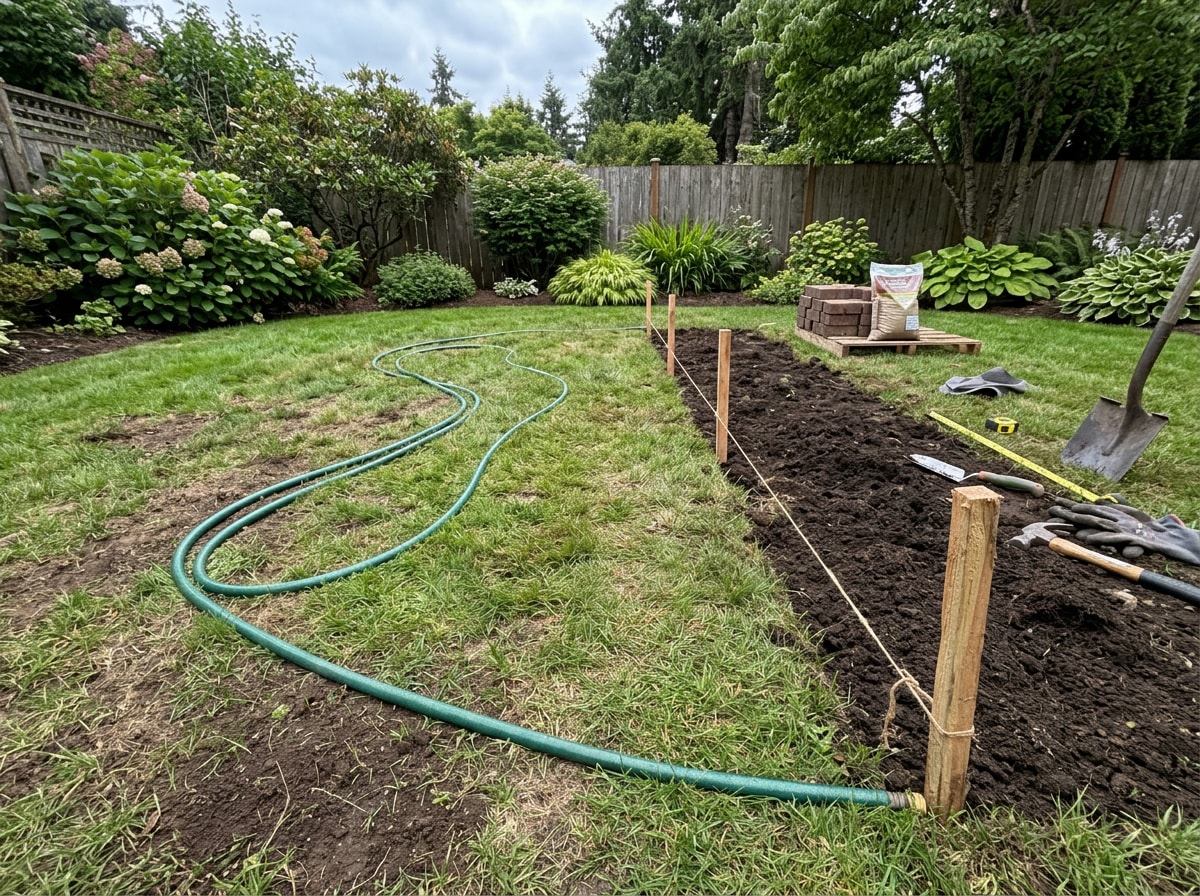
Lay out the shape first using stakes and string for straight runs, or a garden hose for curves. It's much easier to adjust a hose line than to redig a trench. While you're marking the bed, call before you dig and stay aware of sprinkler lines, drip tubing, or buried wiring that might run through the area.
To figure out how many bricks you need, measure the total edge length in inches, divide by the width of a single brick, then add about 10 percent extra to cover cuts and waste. This is also a good time to decide between clay pavers and concrete pavers. Clay tends to hold its color longer in Texas sun, while concrete offers more size and shape options at a lower price point.
Digging the Trench & Prepping the Base
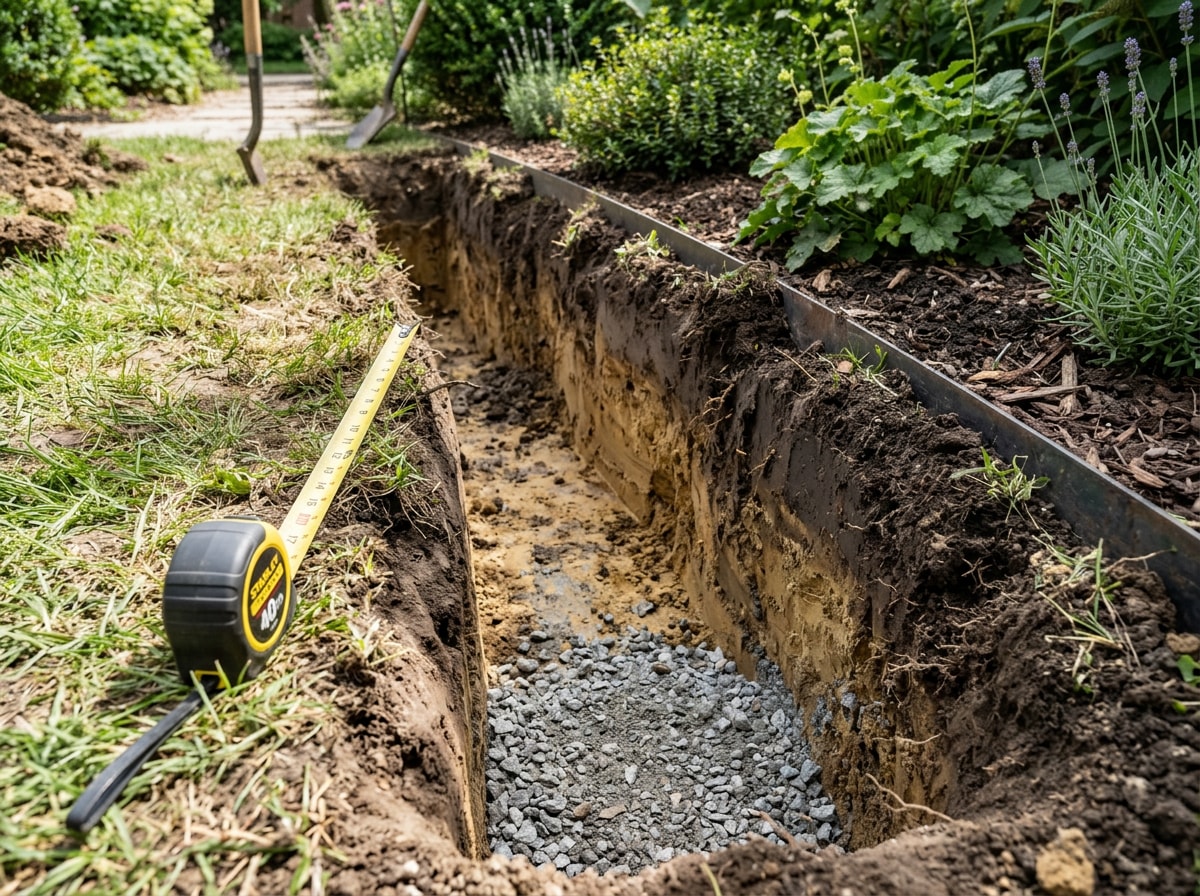
Dig your trench until the soil visibly changes from dark topsoil to lighter subsoil. That's generally where you want the base of your edging to sit. Most installations need a trench around 6 inches deep, enough for a compacted 2 to 3 inch paver base layer, a bit of stone dust, and the brick itself.
Clear away sod and debris first, then line the trench with landscape fabric to cut down on future weeds poking through the joints.
Here's where Kurten's conditions matter more than a generic guide lets on. Brazos County soils are predominantly alkaline, loamy, dark surface soils and clay subsoils , and clay soils hold too much water and do not allow enough air to enter the soil . That tendency to swell and shrink is what pushes buried edging around over a few seasons, far more than the sandy or loam soils most national how-to guides assume. On our own installs around Kurten and the Bryan–College Station area, we've found that tamping the base a little deeper and sloping it slightly for drainage, rather than leaving it dead level, is what keeps a brick border straight for years instead of months.
The Brick Industry Association publishes detailed technical specifications for base depth and compaction under clay pavers, which is a solid reference if you want to go beyond rule-of-thumb numbers.
Cutting Bricks for Curves and Corners
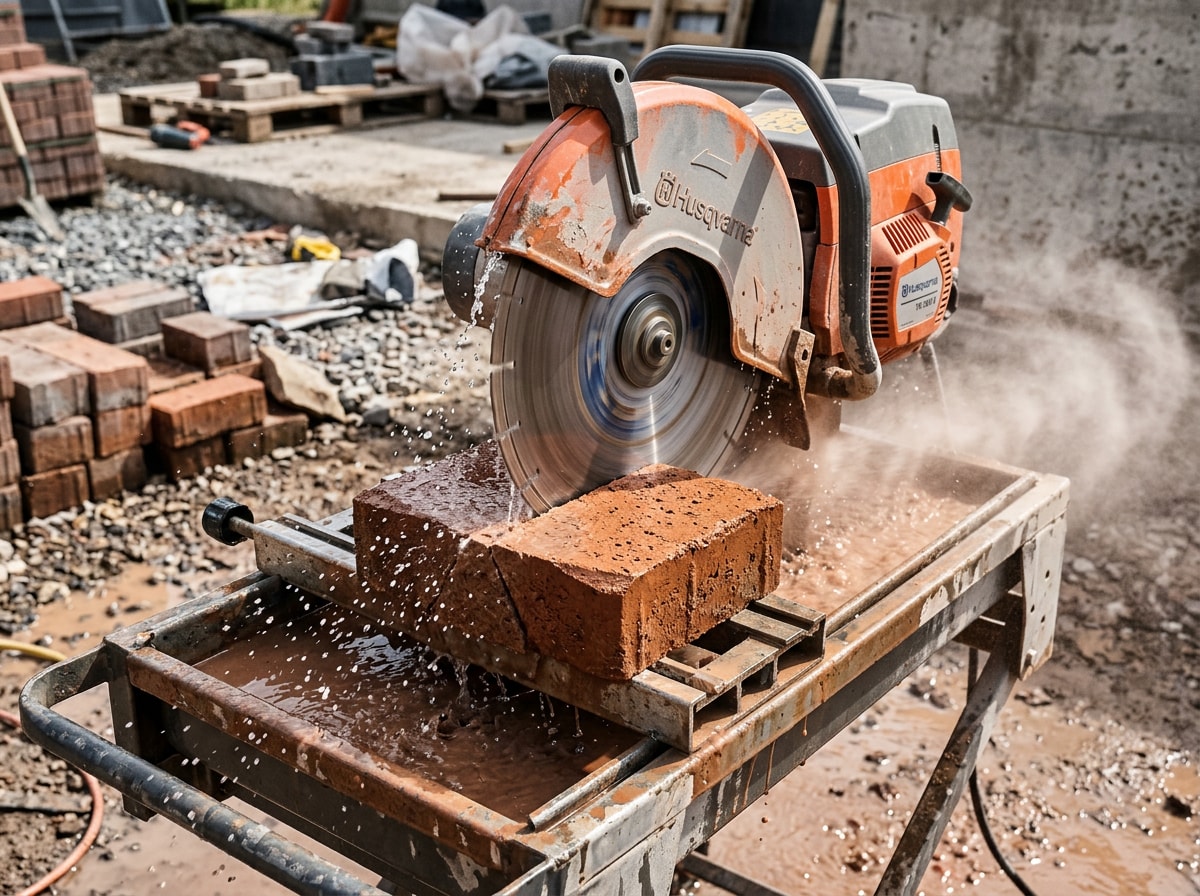
Soft, sweeping curves usually just need the bricks fanned slightly wider on the outer edge. Tight turns and corners are a different story. Those call for wedge-shaped keystone brick cut to fit, marked first with a masonry pencil for an accurate line.
A diamond blade saw makes the cleanest cuts for curved garden edging, and running a trickle of water over the blade while cutting keeps dust down and extends blade life. Cutting masonry dry kicks up fine silica dust, and cutting bricks, concrete blocks, pavers, or other silica-containing materials can generate respirable crystalline silica dust that can irreversibly damage the lungs when inhaled over time . If you're cutting more than a handful of bricks, it's worth reviewing OSHA's guidance on controlling silica dust from masonry saws before you start.
Laying, Setting & Finishing the Bricks
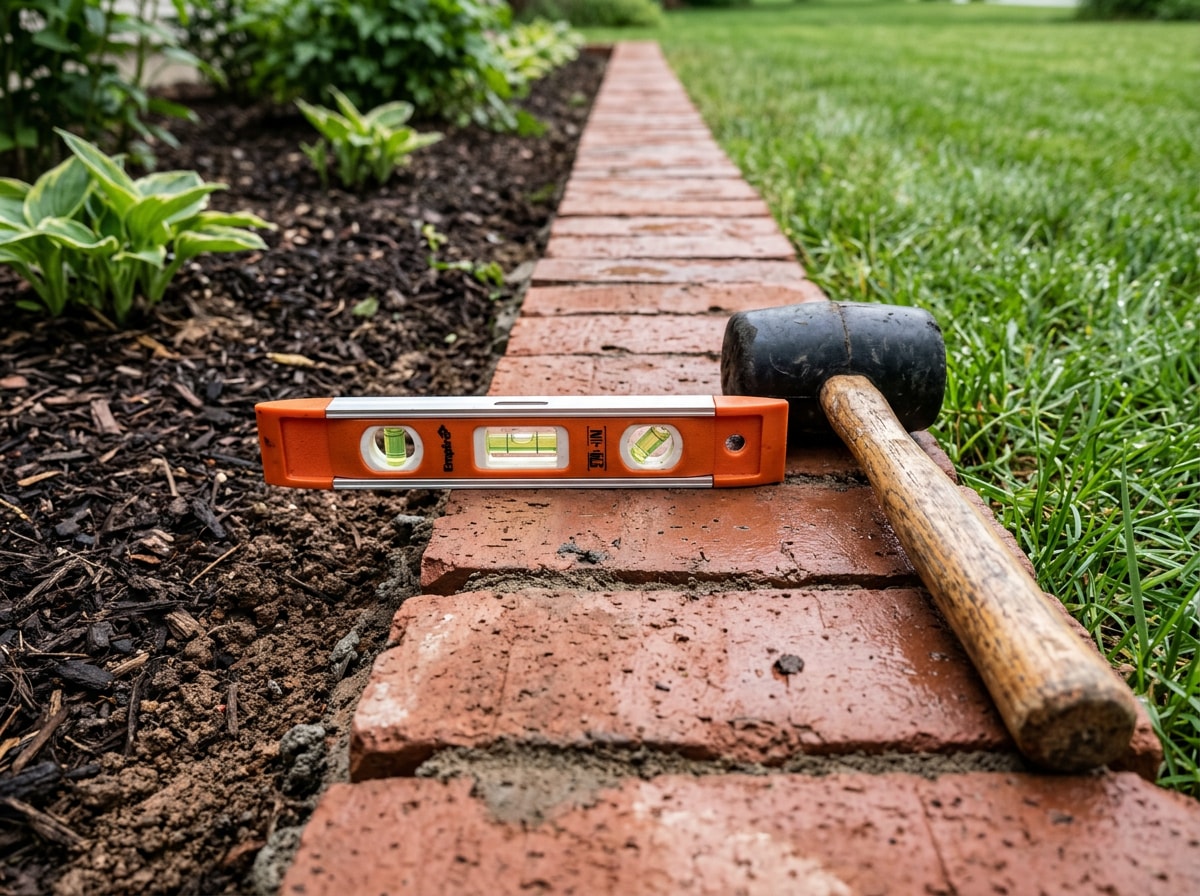
Set bricks into the base one at a time, tapping each down with a rubber mallet until it's flush with the ground and tight against its neighbor. Check with a level as you go; small gaps now turn into wobbly bricks later.
Most DIY brick edging is sand-set, where polymeric sand goes under and between the pavers and gets lightly misted so it hardens in place. Mortar-set edging locks bricks permanently but costs more and handles clay-soil movement by cracking rather than flexing.
| Sand-Set Edging | Mortar-Set Edging | |
|---|---|---|
| Upfront cost | Lower | Higher |
| Repair | Easy, brick by brick | Harder, often full-section |
| Soil movement | Flexes with minor shifting | Cracks instead of flexing |
| Best for | Typical residential beds | High-traffic borders or small retaining edges |
For most residential beds, sand-set is the practical choice. Mortar makes more sense for borders that double as a small retaining wall or see heavy foot traffic.
Finish by hosing the brick border gently to settle the joint sand without washing it away. If you'd rather hand this part off, our walkway installation team handles both sand-set and mortar-set edging as part of larger hardscape projects, and you can get a free estimate before committing to a DIY weekend.
If brick edging is part of a bigger backyard refresh, our hardscaping cost guide for Kurten homeowners breaks down pricing for patios, walls, and walkways alongside edging. You can also browse the full range of services on our homepage.
FAQ
Why Are Weather-Resistant Clay Pavers a Good Choice for This Climate?
Weather-resistant clay pavers hold up well against the swings between intense summer heat, heavy rain, and occasional winter freezes common in this region. Clay resists fading and chipping better than softer materials, which matters when edging sits exposed to direct sun for most of the year.
How Do I Prevent Frost Heave When Installing Brick Edging?
Sloping the compacted base slightly so water drains away, rather than pools under the bricks, is the single biggest step in frost heave prevention. Standing water that freezes and thaws repeatedly is what causes brick edging to settle and shift over time.
How Deep Should the Trench Be for Brick Edging?
Most trenches for brick edging run 6 to 8 inches deep, depending on brick height and how thick your paver base layer needs to be. Taller bricks or areas prone to heavier soil movement, like much of Brazos County's clay, generally call for the deeper end of that range to keep edging stable long-term.
Do I Need Landscape Fabric Under Brick Edging?
Yes, in most cases. Landscape fabric laid under and around the base slows weed growth through the joints without blocking drainage, and it's cheap insurance against having to pull weeds out of your border every spring.
How Much Does Professional Brick Edging Installation Cost?
Cost depends on the length of the border, how many curves and cuts it needs, and whether you choose sand-set or mortar-set installation. Because those variables swing the price a lot, the most accurate number comes from a free, no-obligation estimate based on your actual yard.
When Is It Better to Hire a Professional Instead of Doing It Yourself?
Uneven terrain, precise leveling across long runs, or intricate curved designs are where a professional installer tends to save you the most time and frustration. If your project is mostly straight lines on level ground, DIY is usually manageable. For anything more complex, our Kurten, TX service area page has details on scheduling a local install.