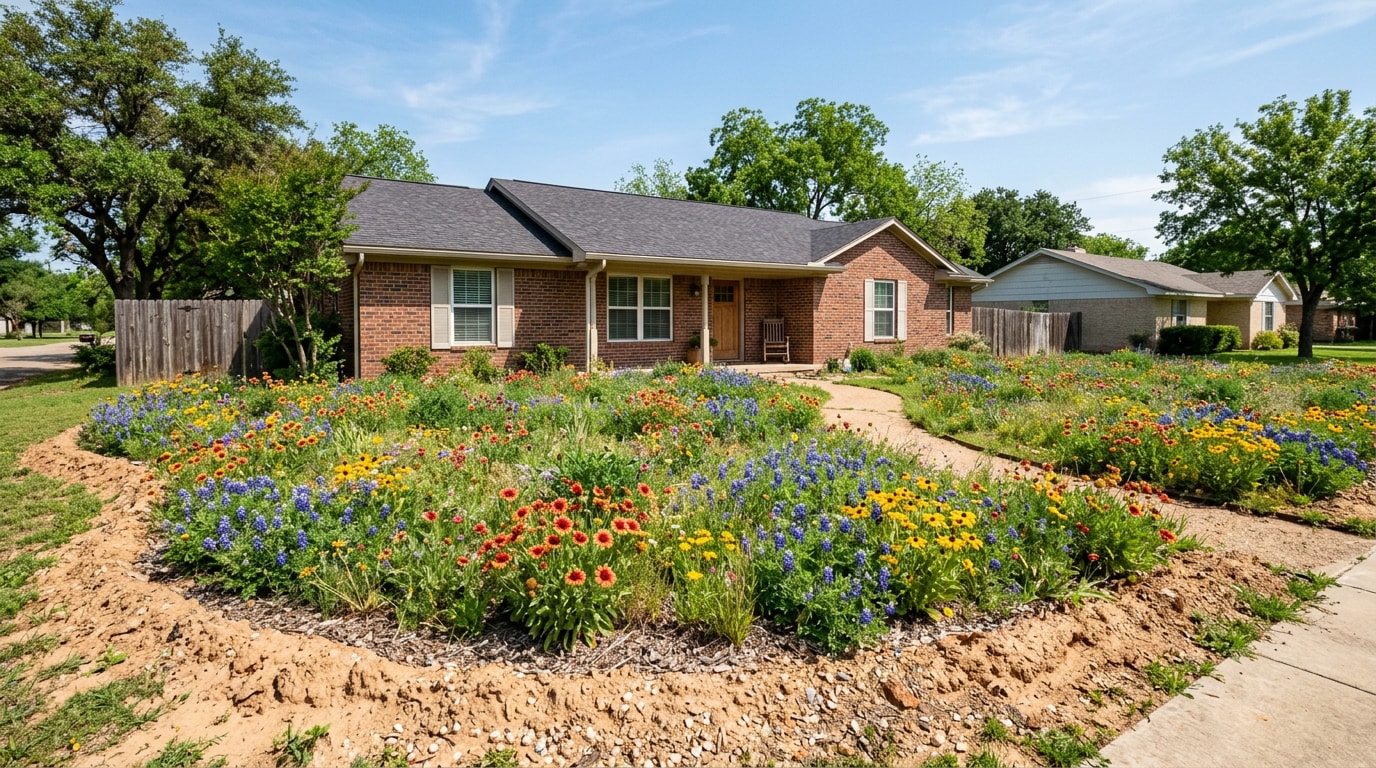
Wildflower landscaping Wixon Valley, TX homeowners are asking about swaps thirsty turf for native blooms that live on rainfall and sandy-clay soil alone. We install these beds across Brazos County every spring, and the same mistake sinks more projects than bad soil ever does: skipping seed-to-soil contact. Here's how to get a wildflower bed that actually reseeds itself instead of disappearing by July.
Visit Landscaping BCS to see our services and request a free estimate.
Best Wildflowers for Wixon Valley's Zone 9a Climate
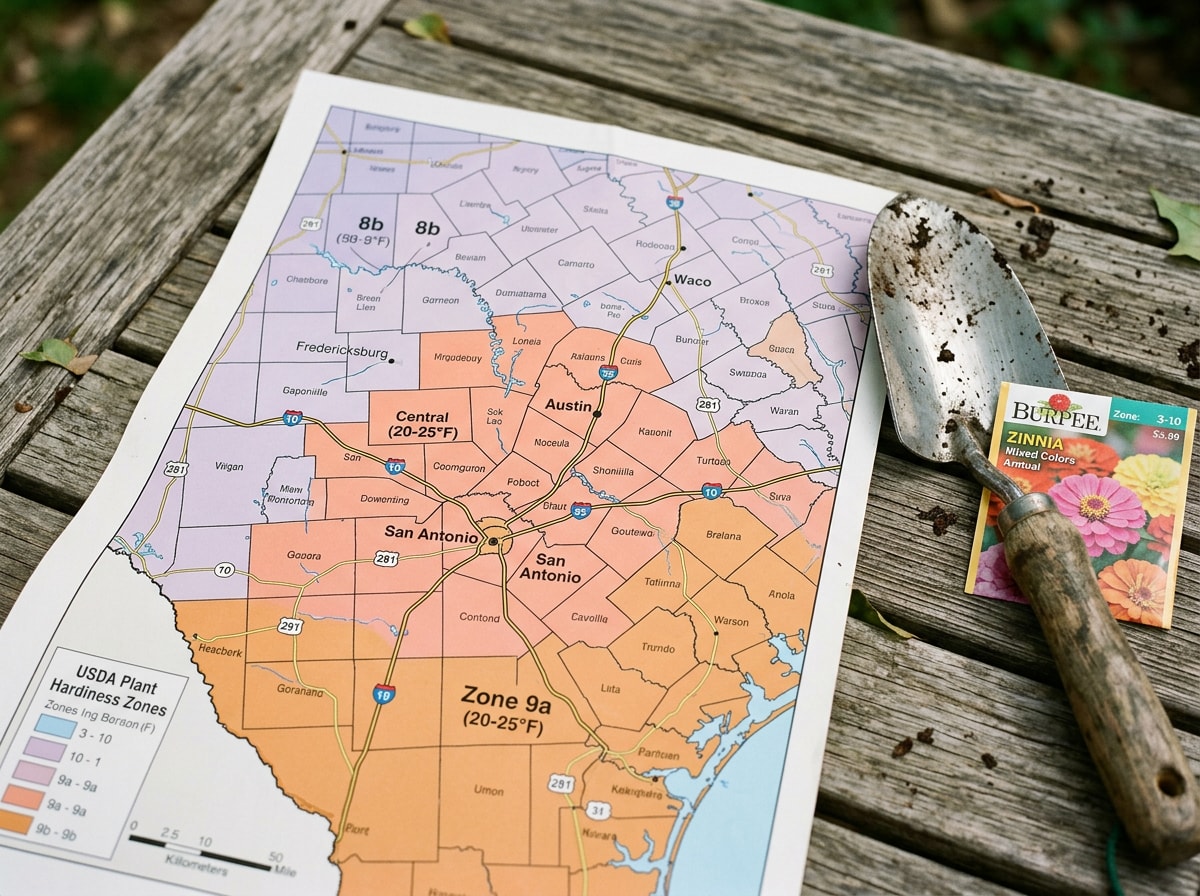
Wixon Valley sits in USDA hardiness zone 9a, which puts the growing zone for the area at 9a, with average annual lows of 20 to 25 degrees Fahrenheit . That number matters because hardiness zones are built from one specific measurement: the coldest it typically gets each winter, tracked over a 30-year period and broken into 10-degree bands. It doesn't predict summer heat or rainfall, only which plants can survive a Wixon Valley winter.
For cultivated flower beds, local plant data points to standard nursery picks. Begonia, bougainvillea and cosmos are solid picks, with daffodil, dahlia and daisy also performing well given the area's hardiness zone. Those work fine in a watered, mulched bed. A true wildflower planting leans on a different plant list entirely, one built for lean soil and zero irrigation.
| Native Wildflower | Bloom Window | Water Needs | Pollinator Draw |
|---|---|---|---|
| Bluebonnet | March to May | Very low once established | High (bees) |
| Indian Blanket | April to July | Very low, tolerates rocky/dry ground | High (bees, butterflies) |
| Black-Eyed Susan | June to October | Low | High (bees, butterflies) |
| Pink Evening Primrose | March to June | Low | Moderate |
| Indian Paintbrush | March to May | Low, needs host grass nearby | Moderate |
Staggering these five species keeps color in the yard from early spring through fall instead of one short burst. You can confirm current zone boundaries for any address through the official USDA Plant Hardiness Zone Map.
How to Plant a Wildflower Patch That Actually Comes Back
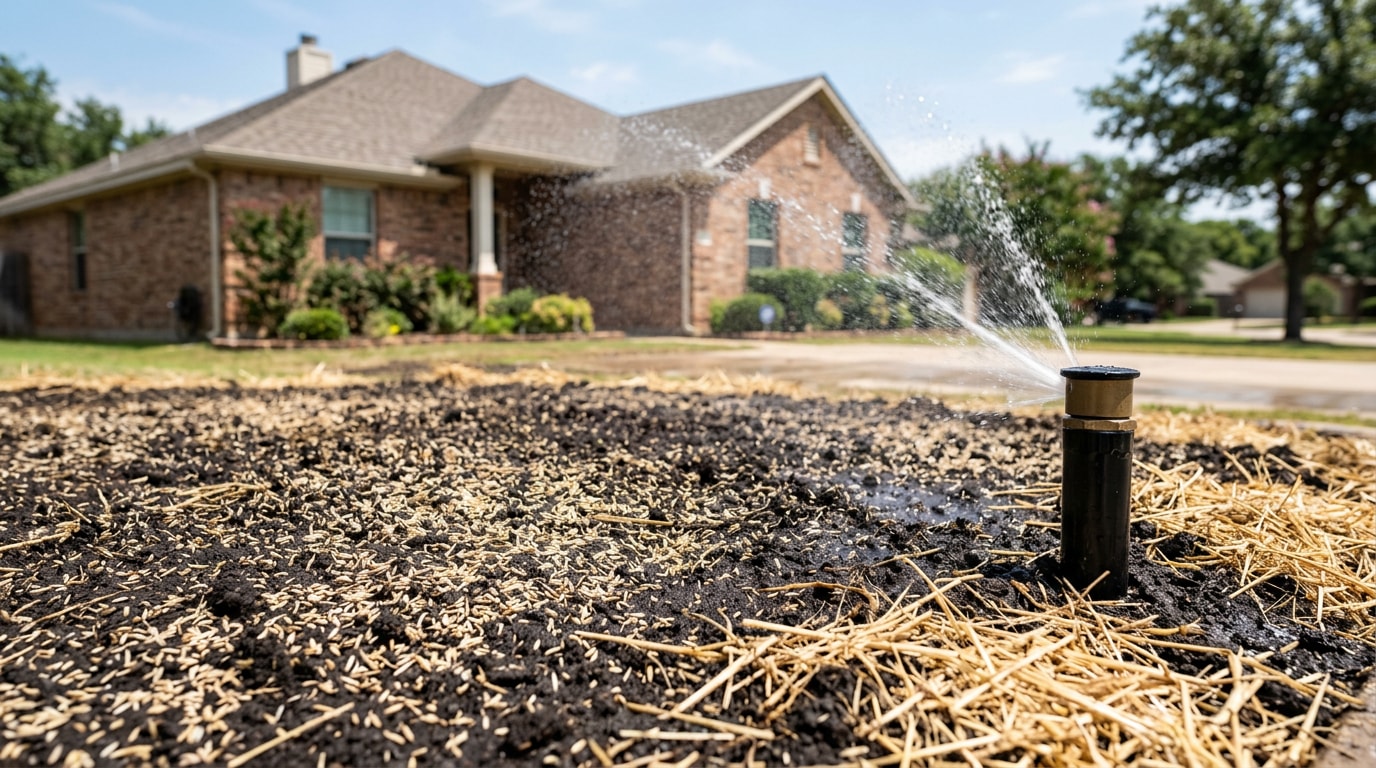
Scattering a seed packet over bare dirt is the single most common reason wildflower patches fail. Texas Parks and Wildlife is blunt about the real steps, and the details matter more than the seed mix itself.
Timing comes first. Many native wildflowers, including bluebonnets and Indian paintbrushes, need colder soil temperatures along with adequate watering or rainfall to germinate in fall and bloom the following spring. Planting in spring instead of fall is a common error that costs an entire growing season.
Site prep and seeding come next:
- Clear the spot.
Pick an area without preexisting turf like St. Augustine or Bermuda, or remove existing turf first.
- Mix seed with sand.
Scatter seed by hand, mixing smaller seeds with sand for easier handling at a ratio of one part seed to four parts sand.
- Keep it shallow.
Rake or tamp seeds in no deeper than about 1/8 inch, since they need sunlight to germinate.
- Water until established.
Keep the area moist for several days unless rain is expected, then water every 2-3 weeks during dry winter stretches.
Once a patch is going, resist the urge to deadhead everything. Letting plants drop their seeds builds a seed bank that keeps producing new plants for years. That self-seeding cycle is the entire reason wildflower beds cost less to maintain than an annual flower bed year after year.
As Texas nature tracker biologist Craig Hensley put it, "native plants form the foundation of healthy food webs" that support everything from pollinators to birds.
Top Native Plants to Pair With Your Wildflower Bed
Black-Eyed Susan (Rudbeckia hirta)
Black-Eyed Susan carries color later into the year than most Texas wildflowers. It blooms yellow from June through October , which stretches the pollinator season well past when Bluebonnets and Indian Paintbrush have finished for the year. Depending on growing conditions it acts as an annual, biennial, or short-lived perennial, typically growing up to about three feet tall.
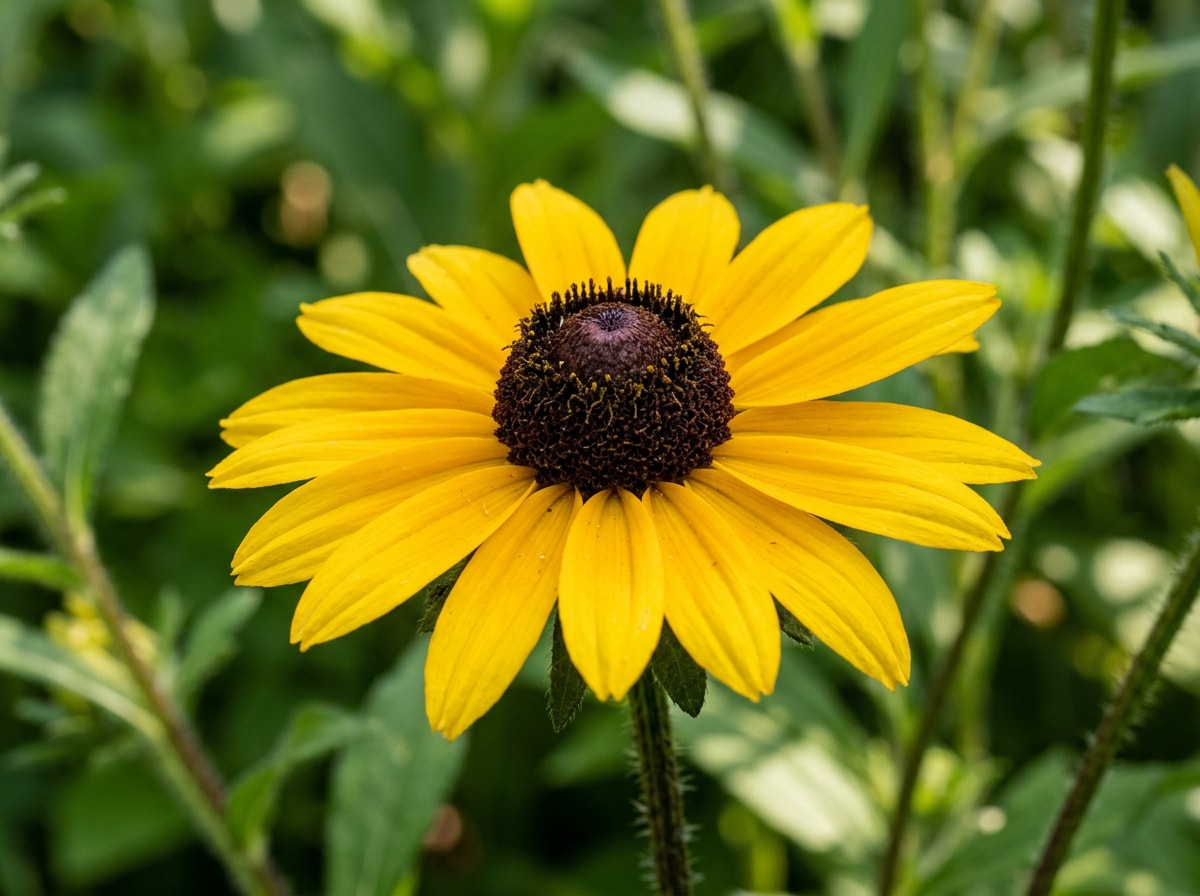
Set side by side, the bloom timing differences shape how you plan a bed. Bluebonnets go first, in March, and fade by early summer. Indian Blanket overlaps through early summer on even drier, rockier ground. Black-Eyed Susan picks up the slack and runs the color through the heat of a Brazos Valley August.
In our installs, working compost into Brazos Valley's heavier clay before seeding makes a visible difference in first-year root establishment. Full species data and native range maps for Rudbeckia hirta are available through the Lady Bird Johnson Wildflower Center's native plant database.
Small-Yard Wildflower Meadows Work Too
You don't need acreage for this to pay off. A 50 to 100 square foot section, a strip along a fence line, or a bed replacing a troublesome patch of turf can carry a mix of Bluebonnets, Indian Blanket, and Black-Eyed Susan. The payoff scales down the same way it scales up: less mowing, less water, and a longer bloom season than a comparable bed of annuals.
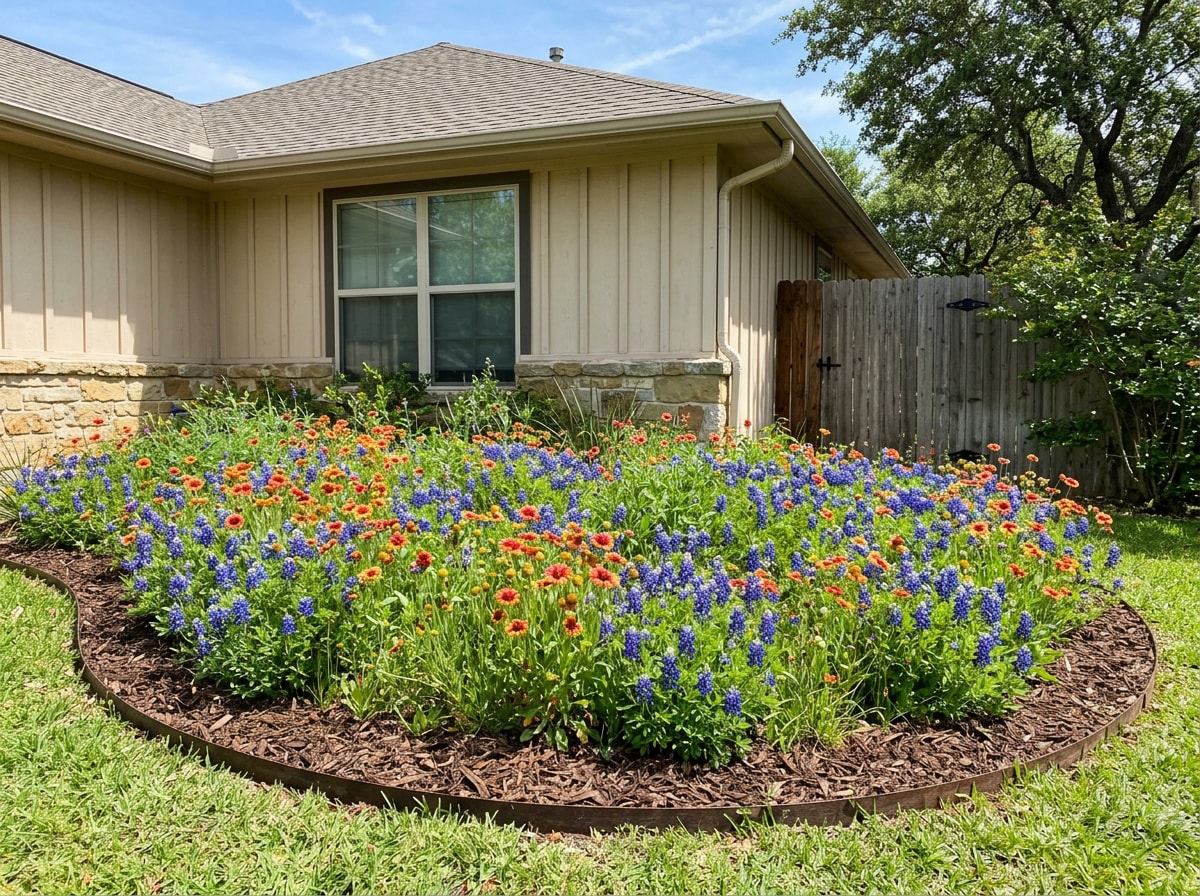
Pairing a small patch with xeriscaping principles, grouping plants by water need and adding a mulch layer, stretches the water savings even further without sacrificing color.
Design and Installation for Wixon Valley Properties
Turning a plant list into an actual bed starts with an on-site look at soil, drainage, and sun exposure, since all three decide which wildflowers thrive where on your specific lot. From there, installation covers everything from flower bed construction and mulching to custom plantings suited to Brazos County's climate.
If your project also involves a new patio or walkway running alongside the bed, it's worth planning both at once rather than tearing out plantings later. Our hardscaping guide for Wixon Valley homeowners covers that side of the project in detail.
Ready to see how a design comes together before anything goes in the ground? Browse our landscape design and installation services, or look through recent {{SITE_URL}}/projects for examples of beds we've built around College Station, Bryan, and Wixon Valley.
If drought spells stretch past what rainfall covers, a properly zoned drip line protects new plantings without overwatering established natives. Our irrigation installation team can set that up during the same visit.
Seasonal Maintenance for Wildflower Beds in Brazos County
Wildflower beds still need attention, just less of it and at different times than a traditional flower bed. Spring and fall cleanups, full leaf removal, and light trimming keep beds looking intentional between bloom cycles instead of neglected.
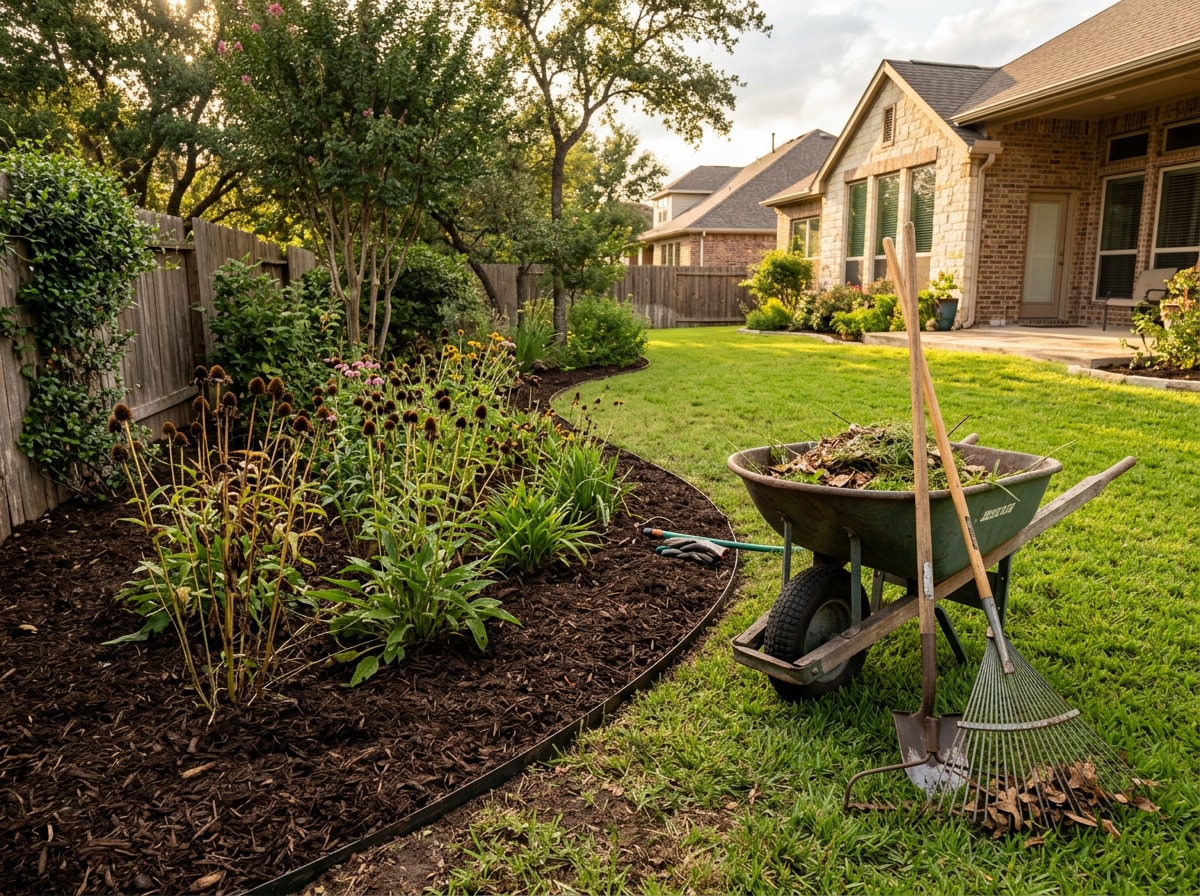
The key difference from a manicured bed: leave seed heads in place until they drop on their own. That's what keeps a patch reseeding itself instead of thinning out year over year. Our landscape maintenance services handle that seasonal timing so beds stay full without being over-tidied.
Homeowners in Wixon Valley looking to start a bed this fall can visit our {{SITE_URL}}/ to see current service areas, or go straight to Get a Free Estimate to get a planting plan on the calendar before the fall seeding window closes.
FAQ
What flowers grow well in Wixon Valley?
Begonia, bougainvillea, and cosmos are strong picks for cultivated beds, with daffodil, dahlia, and daisy also doing well given the area's hardiness zone. For a wildflower-style bed, native options like Bluebonnets and Black-Eyed Susan outlast cultivated flowers through drought and summer heat.
Can I just throw wildflower seeds in my garden?
No. Scattering seed alone rarely produces a full stand. Seeds need direct soil contact and light to germinate, so clearing existing growth and lightly raking the ground before planting matters more than the seed mix itself. Skipping this step is the most common reason wildflower seeding fails.
Can you grow a wildflower meadow in a small yard?
Yes. A wildflower patch doesn't need acreage to work. Even a 50 to 100 square foot section can support a mix of Bluebonnets, Indian Blanket, and Black-Eyed Susan, giving a small yard the same low-maintenance, pollinator-friendly benefits as a larger planting.
What trees grow well in Wixon Valley?
Avocado tree, bald cypress, and black walnut are solid choices, with Camellia Japonica, Crape Myrtle, and Eastern Red Cedar also common locally. Crape Myrtle and smaller native trees pair well with a wildflower bed, adding shade structure without crowding out sun-loving blooms.
Which drought-tolerant shrubs work for privacy near a wildflower bed?
Cenizo (Texas Sage), Lazy Daisy, and Salvia greggii are commonly recommended drought-tolerant choices from Texas A&M AgriLife's wildscape and xeriscape plant lists. These hold up to heat and poor soil the same way wildflowers do, making them a natural screening option for Brazos County yards. For region-specific variety guidance, see Texas A&M AgriLife Extension's wildscape and xeriscape plant list.